• The forum software have been upgraded to the latest version.

    If you notice anything that looks off, or does not work, please let us know.

    For more information, click here.

Mayan Art Megathread

I had the luck of being in Chichen Itza! Thank you for bring that memories back to my head again!!

PD: I apologize if I am entering in off topic, but do you have pictures or references about OLMEC warrior¨s costumes?

Definitely not off topic; I primarily focus on the Mayans mostly because that is where my interest is, but I have plenty of Aztec, Zapotec, and other Mesoamerican pictures throughout the thread.

As far as the Olmecs go, I had some pictures of some of their famous stone heads somewhere within this thread. Specifically costumes for the Olmecs I don't have anything, but maybe they have modern-day recreators who dress up in costumes nowadays for tourists? There are plenty of Mayan performers out there, I wonder if their are any Olmec performers.
 
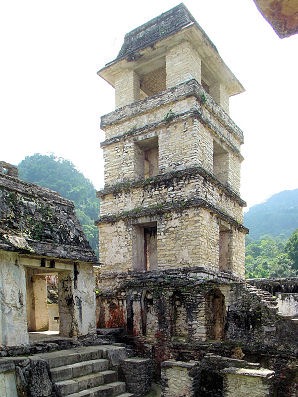
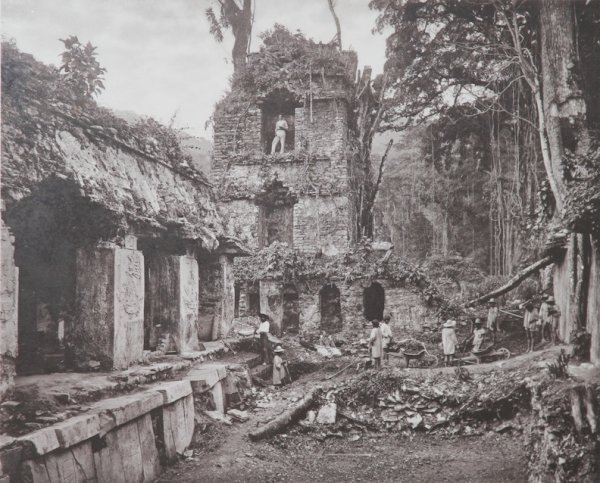
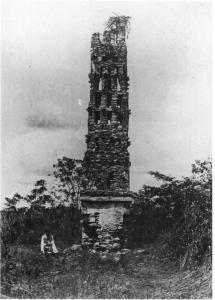
So @Aginor got me thinking about the tower of Palenque and whether or not it was unique... turns out it might not be!

IMG_0469.jpg

1-a-p-maudslay-photogravure-palenque.jpg

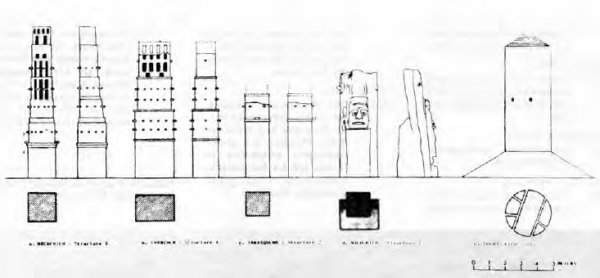
All the info I found was from this article by Jan Szymanski. Jan even states that the tower might not have even been put back together correctly, because we really can't know 100% what the tower looked like when it was complete!

Very interesting article. Apparently the Mayans did build towers, but of course none of them are exactly alike, and there aren't really any other examples quite the same as the one at Palenque.

More examples:

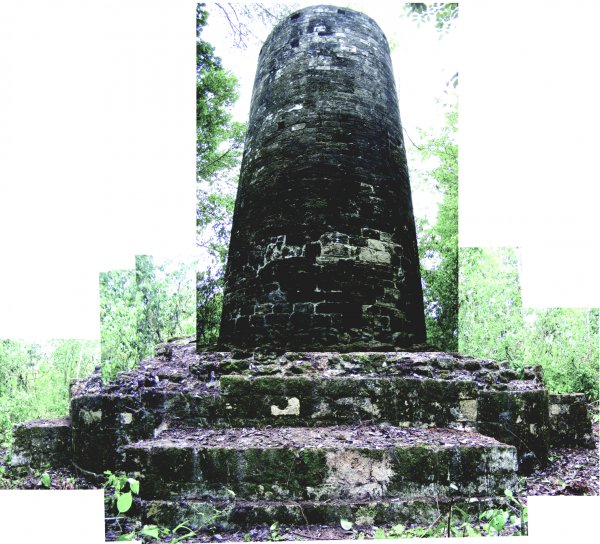
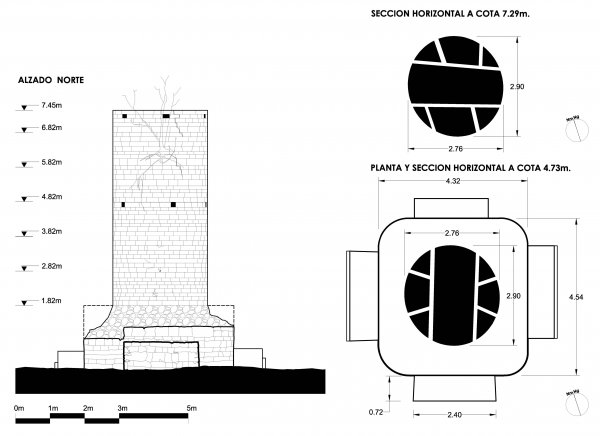
Tower at "Puerto Rico" but not on the island of course, this Mayan site is closer to Xpujil (Mexico I believe).

puertoricomozaic.jpg
the-puerto-rico-tower-campeche.jpg

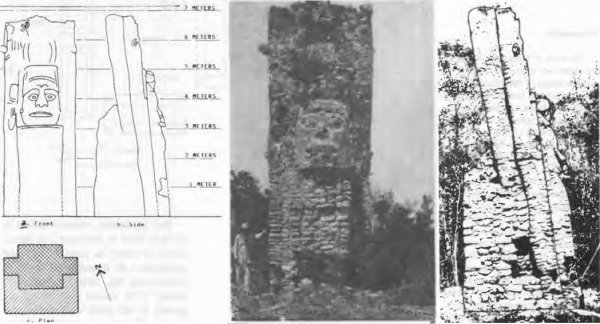
Towers at Nocuchich; which has a giant stucco head on the side of it!

Tower in 1887, as high as 9 m???

391481_4366151993627_632153497_n.jpg

Structure 1:

nocuchich1.jpg


Campeche Towers: apparently there are a bunch of them, in face some of these are considered "Rio bec" style. Possibly even some of the "tower-like" structures I have already listed on this thread, the ones that had the false temples at the top:

view of towers.jpg

A couple more are listed in the article. I haven't heard of these sites before, more research is required. I do know that the next Mayan tower I make will definitely have a face on the side of it!
 
Also happened across another article on Jan Szymanski's website, about the Stinking Problem that would have occured at all Mayan sites. Its nothing new of course, Medieval cities had the same problem of where to put human excrement... most of it just ended up in the street. The article doesn't really solve the problem, but it does bring it up.
 
I have been looking up this place recently too again for good inspirational pictures.

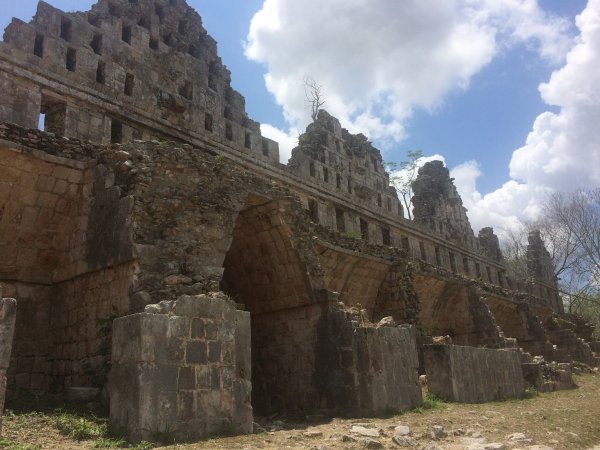
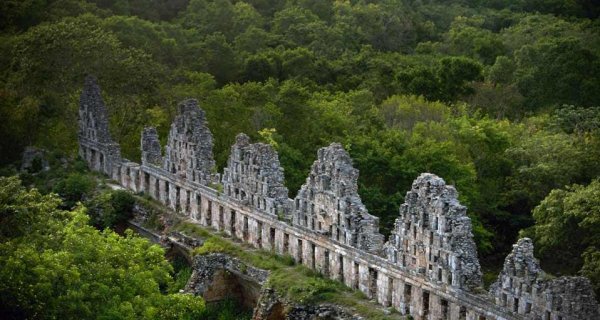
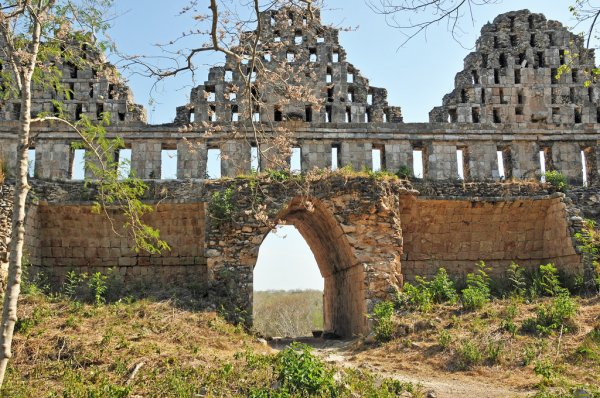
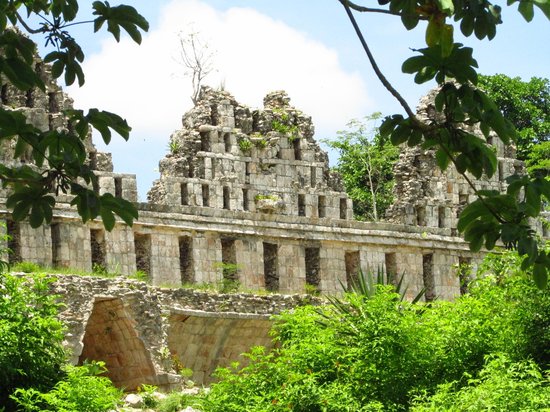
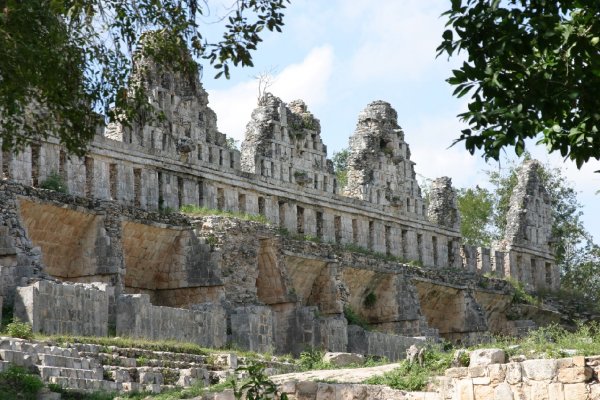
House of the Doves, at Uxmal.

warden201704_uxmal house of the doves.jpg

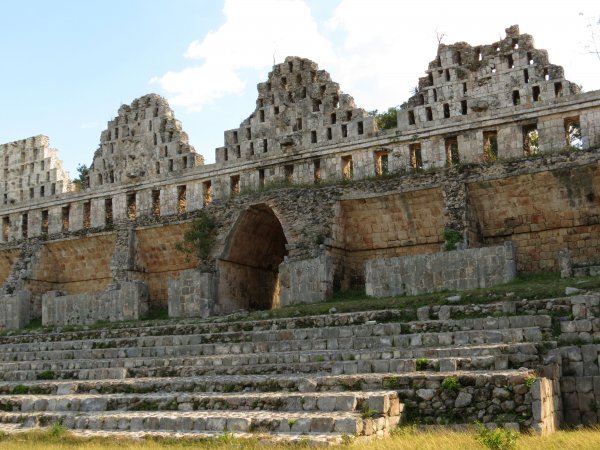
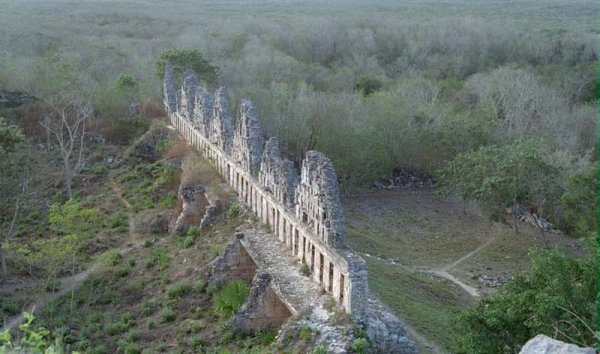
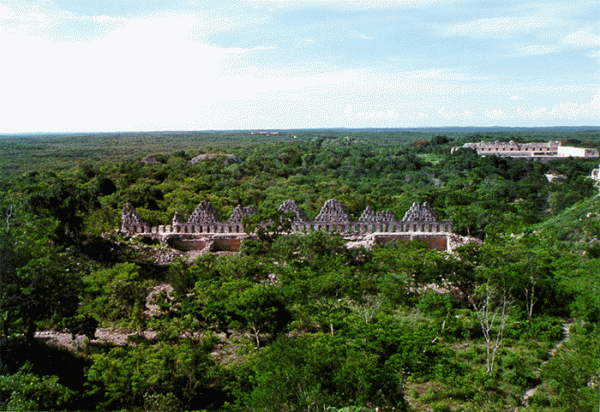
That one is actually a picture I took when I was there in person just under 2 years ago! Really neat and epic looking building, I have no clue what it may have been used for. It is know by several names, including "Quaderilateral of the Pigeons" and "House of the Birds" other variations on pigeons, birds, and doves, mostly because a huge number of birds roost in the nooks and crannies of the roof combs of the buildings.

The rest of the pictures aren't actually mine, but are pretty great :snaphappy:

FlowerFarm_ROW951979805.jpg

3110.jpg

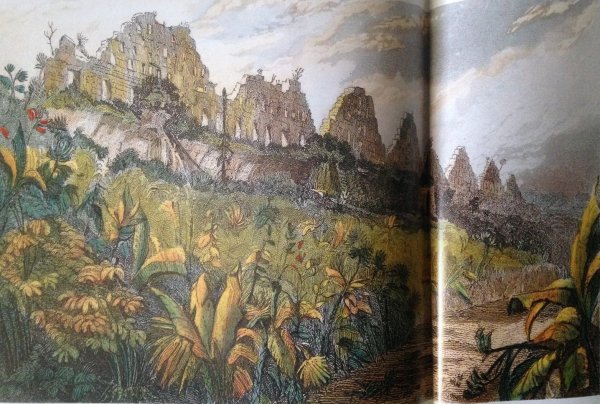
None of the rest of these are mine either, though the first one I snapped a picture out of my book on the Mayan artist Frederick Catherwood, who visited Uxmal in the early 1800s.

warden201801_quadrilateral of the pigeons.jpg

temples-of-uxmal.jpg

House of the Doves at Uxmal.JPG

House_of_the_Doves_(16122926904).jpg

m3_085.jpg

uxmal-30.gif
 
What a massive structure! It must have been huge.
I wonder how far away the jungle was from the buildings when they were built.
Did the people back then cut down the jungle in big areas (and the jungle has reclaimed those areas in the meantim or did they really build their sites in the midst of the jungle?
 
What a massive structure! It must have been huge.
I wonder how far away the jungle was from the buildings when they were built.
Did the people back then cut down the jungle in big areas (and the jungle has reclaimed those areas in the meantim or did they really build their sites in the midst of the jungle?

Back then (pre 900s AD) most of the areas immediately surrounding the cities and temples would have been cleared from the jungle because it was used as farmland. Trees and shrubs were cut down to be used either as firewood or to keep the land clear, so you didn't get the "overgrown" feel that you do for modern temples, which have had the jungle creeping into them for well over a thousand years in some cases.

Though what we think of as "Mayan Cities" nowadays is actually a lot smaller than they actually were. In modern times the only structures that have been cleared of jungle overgrowth (to make room for tourism) are the big and beautiful temple structures, or some of the major buildings and temples of the elites, priests, and nobles. Surrounding every Mayan ceremonial site is a host of smaller buildings and structures that have never been excavated or touched, simply because there isn't enough time! I read a great archaeological book on the subject (Copan: Rise and Fall of an Ancient Mayan Kingdom, David Webster, AnnCorinne Freter, Nancy Gonlin) which showed some of the information that archaeologists are able to gather from these surrounding buildings. Many of these buildings are now only solid stone foundations, having the wooden structures of the buildings themselves rotten away centuries ago.

Here is a good picture to show just how big Mayan cities are, from Palenque:
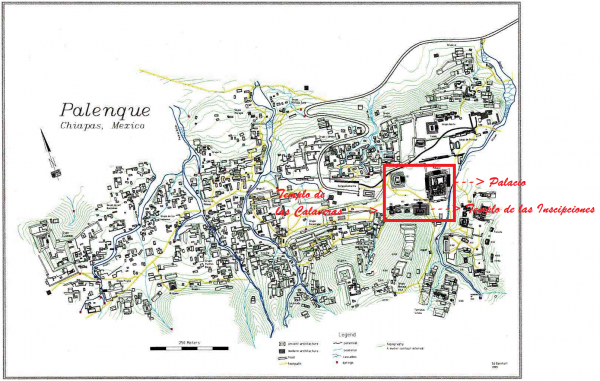
mapa-indicador-Palenque.png

Link to this map here, in which the tourist talks about this concept briefly too. The city itself is pretty huge, covering the entire area around the mountainsides and along the river. But the place that tourists actually visit is the tiny spot within the red square, the only area that has been cleared of the jungle overgrowth, shown here in this picture.
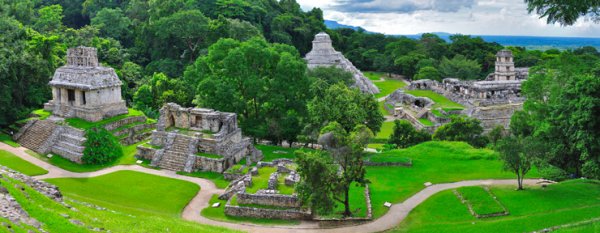
Palenque ceremonial core.jpg

I have a lot more pictures of Mayan city-layouts on the first page of this thread, but they are all similiar in that the temple group shown in the picture is only a fraction of what the actual city used to be, because everything else is covered up by jungles. In short, the Mayans did building their cities in the midst of the jungles, but the jungles were held at bay back then by the tools and agricultural prowess of the people that lived there.


Also fun fact: kind of like most ancient Roman ruins, Mayan cities were painted bright colors back in their heyday, mostly bright reds, but also yellows and blues. In the centuries after their abandonment noone was around to keep repainting them, and the colors have been bleached off by the sun. Some paint residue remains in the cracks, plus archaeologists can run test for it.

 
Definitely not off topic; I primarily focus on the Mayans mostly because that is where my interest is, but I have plenty of Aztec, Zapotec, and other Mesoamerican pictures throughout the thread.

As far as the Olmecs go, I had some pictures of some of their famous stone heads somewhere within this thread. Specifically costumes for the Olmecs I don't have anything, but maybe they have modern-day recreators who dress up in costumes nowadays for tourists? There are plenty of Mayan performers out there, I wonder if their are any Olmec performers.
Thanks a lot!! Yeah, The problem lays in the fewer popularity of olmecs in the pop culture (compared with mayans/aztecs). You are right, in Xcaret you can find an awesome performance of mayans warriors (althought i can´t garantee historicall accuracy, but looked like a serious recreation). I will try to find some sources in olmec pottery. Also, congrats again by your threads and content!!
 
Thanks a lot!! Yeah, The problem lays in the fewer popularity of olmecs in the pop culture (compared with mayans/aztecs). You are right, in Xcaret you can find an awesome performance of mayans warriors (althought i can´t garantee historicall accuracy, but looked like a serious recreation). I will try to find some sources in olmec pottery. Also, congrats again by your threads and content!!

If you find anything please feel free to share, we are always eager to learn more about the real-world culture!
 
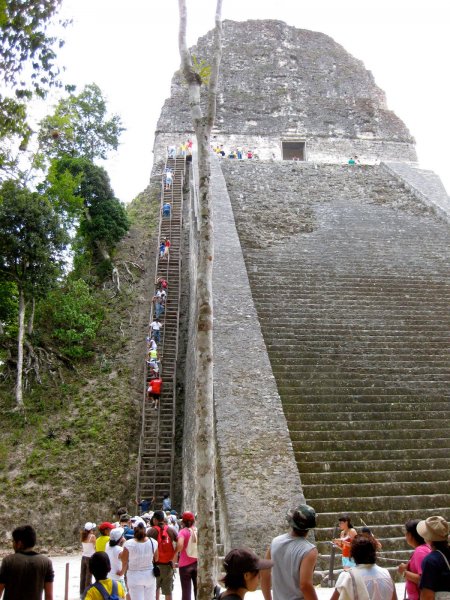
I still wonder how they built that pyramid so steep and it became stable enough to survive centuries. Great job by those guys.

Most Mayan pyramids were actually built directly on top of even older stone pyramids, giving them a very solid foundation. This had the effect of over time making the temples larger and more mountainlike, growing them a little taller with each rebuild.

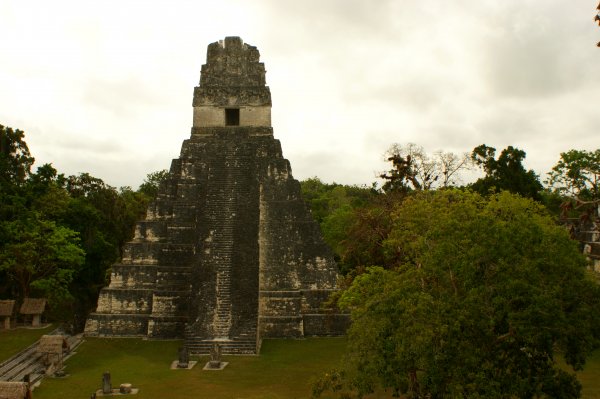
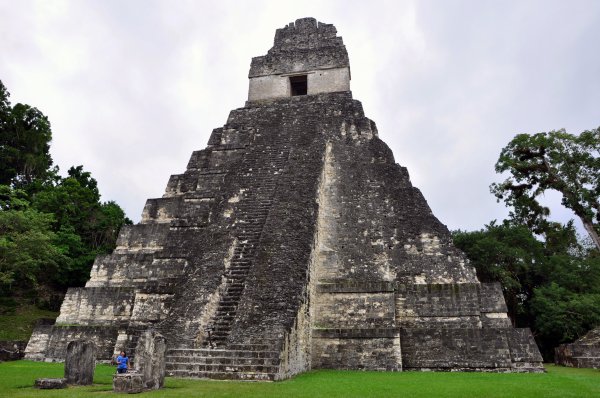
This temple in particular (Tikal Temple I) was however actually built all at once, as the mortuary-temple of King Jasaw Chan K'awiil #1. Apparently an older temple was at the original location, but was demolished to make way for the new one. When the king died his burial-tomb was constructed, a small building with just his body and burial vessels. Then the entire temple was constructed around him in nine levels, each level corresponding with one of the nine levels of the underworld (Xibalba). I can't figure out how big the base is, but overall its 154 ft tall (47m).

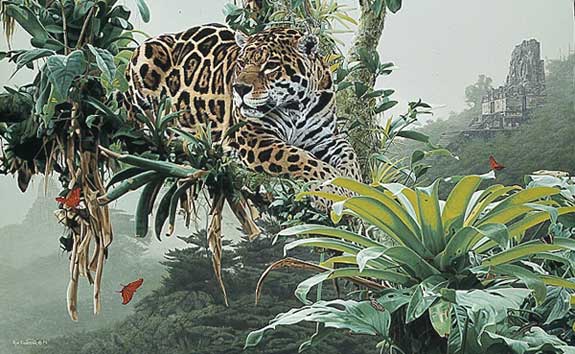
Quotes from my painting thread on the Tikal Temple of the Jaguar, plus more pictures:

jaguartemple.jpg
Tikal_temple_1_2009u.JPG

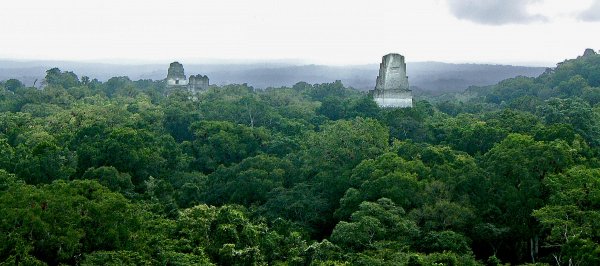
Jungle Panorama:

W0815-Tikal-FeaturePage.jpg

From the base of the temple, not my picture though I hope to go someday! :D

IMG_3514.jpg

And a real jaguar at Tikal!

RF00051lg.jpg

Probably a fake photo, but it came up on a search :rolleyes:

Again, more info on this temple and the rest of the temples of Tikal here.
 
They should do the following:

1. Use a modern PC game engine like the CryEngine or so to digitally recreate the city as it is now
2. Talk to archeologists and create a believable version of how it looked back when it was still populated. The user can switch between the versions at any time
3. Make it available in VR to walk through it using Oculus Rift or a similar device

I'd buy it. As soon as I have a VR device and a PC that can run it (most likely this year). Even stage 1 would be awesome because it is unlikely I'll ever visit the actual site.
 
I have been looking up this place recently too again for good inspirational pictures.

House of the Doves, at Uxmal.

View attachment 38437

That one is actually a picture I took when I was there in person just under 2 years ago! Really neat and epic looking building, I have no clue what it may have been used for. It is know by several names, including "Quaderilateral of the Pigeons" and "House of the Birds" other variations on pigeons, birds, and doves, mostly because a huge number of birds roost in the nooks and crannies of the roof combs of the buildings.

The rest of the pictures aren't actually mine, but are pretty great :snaphappy:

View attachment 38431

View attachment 38430

None of the rest of these are mine either, though the first one I snapped a picture out of my book on the Mayan artist Frederick Catherwood, who visited Uxmal in the early 1800s.

View attachment 38439

View attachment 38435

View attachment 38432

View attachment 38433

View attachment 38434

View attachment 38436
If the Romans had built something like this it would have been an aquaduct.
 
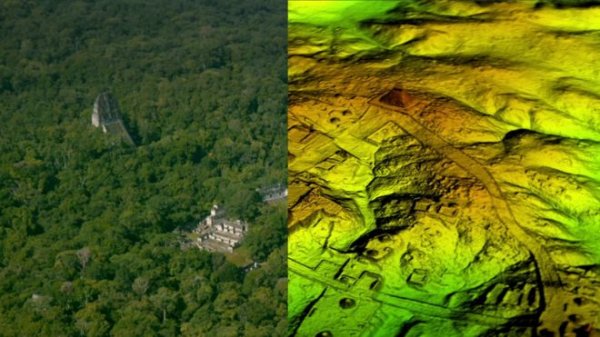
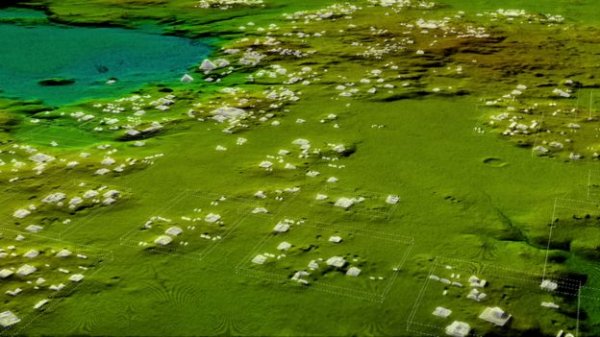
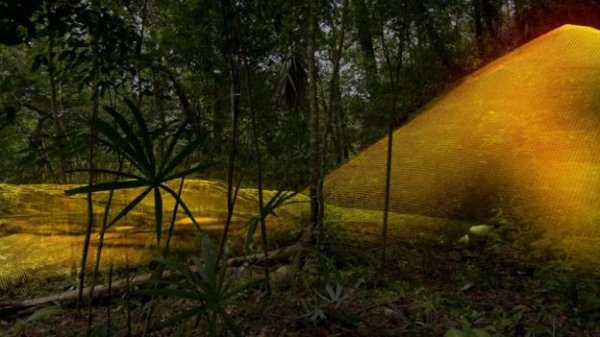
Lidar Reveals a sprawling Mayan city complex.
http://www.bbc.com/news/world-latin-america-42916261

My wife pointed out a nearly identical article to my while I was at work yesterday. Fascinating stuff, here is a breakdown as to why I find the new uses of Lidar to exciting.

First a disclaimer: they were mostly mapping Tikal, and maybe starting on some other KNOWN Mayan cities. No "new" cities have been found, but thanks to this technology the older sites can now be thoroughly mapped from the sky. This means that previously unknown structures, such as temples or even the lowly stone platforms used for the thatched huts of the commoners can be discovered in the depths of the jungles.

Map of Tikal? though I can't place what structures these are:
_99859938_mixmayanpic.png.jpg

Here are a list of discoveries that this newly utilized technology are bringing to the table:

1) Mayan cities were big. Bigger than previously though. Whereas estimates of the entire region were as high as 5 million a few years ago, now estimates are going as high as 15 million. We just talked about the actual size of Mayan cities earlier on this page!

_99860646_6_whiteboxes1_vlcsnap-error508.png.jpg

2) Clearer maps of previously explored Mayan cities. Now instead of Mayan archaelologists trudging through the jungle, examining each individual mound or dirt pile individually, they can scan the sites from the sky first, then plan out their approach to excavation. Previously unknown seven-story temples are being discovered!?!!

_99859848_mediaitem99859847.jpg

3) Defensive Structures and Fortifications. A lot more are being discovered thanks to this technology, even if its just the bases of long destroyed walls. This highlights the endemic warfare known to exist during this time period between the cities, and helps us find actual archaeological proof! (More on Mayan defensive structures here)

4) Lastly, trade networks! The new mapping systems show that a huge number of road and causeway networks exist through the cities already mapped. They look highly trafficed, and connect to tons of sites throughout the region. Trade is known to have been very important between the cities, especially on the waterways thanks to fleets of trading canoes. This mapping just proves further evidence of just how interconnected the ancient cities were!


One final side note, the laser-mapping technology is similar to what the US military forces have already been putting into use in the current conflicts around the globe, mapping hidden locations in mountains and through trees that would be nearly impossible to find. Its great to see that (once again) new technologies produced have finally made it into the commercial sector.

Really neat stuff! :vulcan:
 
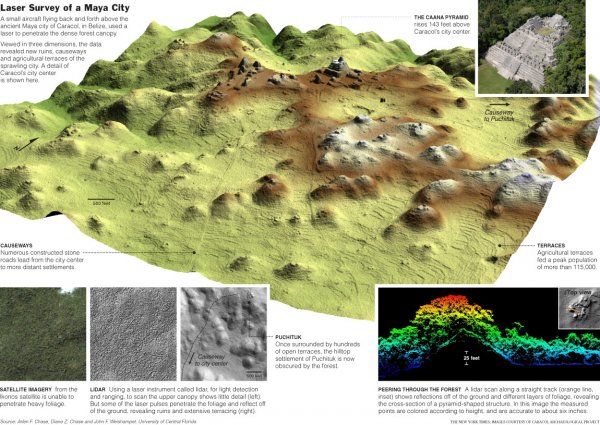
Another good picture of what the "lidar" laser mapping can provide, this one over the city of Caracol:

i6t47ph.jpg

And a link to another article, this one a short one with some additional links to check out.
 
Back
Top