
-
The forum software have been upgraded to the latest version.
If you notice anything that looks off, or does not work, please let us know.
For more information, click here.
You are using an out of date browser. It may not display this or other websites correctly.
You should upgrade or use an alternative browser.
You should upgrade or use an alternative browser.

Slann
Warden
Tenth Spawning
- Messages
- 6,641
- Likes Received
- 18,896
- Trophy Points
- 113
Great to see how far that technology has evolved. I learned about it while I was still at the university but that was ten years ago or so.
Agreed! I have had some exposure as well, I am so glad it is being used in the archaeological context.
So the other day when I wrote this:
First a disclaimer: they were mostly mapping Tikal, and maybe starting on some other KNOWN Mayan cities. No "new" cities have been found, but thanks to this technology the older sites can now be thoroughly mapped from the sky. This means that previously unknown structures, such as temples or even the lowly stone platforms used for the thatched huts of the commoners can be discovered in the depths of the jungles.
...it turns out my disclaimer was 100% WRONG!
 At least four major and previously unknown Mayan ceremonial centers have been discovered thanks to this new technology!
 But in this case its a very good thing!
I found two more articles on this new LiDAR (Light Detection And Ranging) tecnology, one from AP News and the other from National Geographic.
Some fun facts from between the two articles:

- The LiDAR mapping program survey just concluded is the first phase, part of a three-year project to map more than 5000 miles of Guatemala's lowlands.
- Over 810 square miles (2,100 km) have been surveyed JUST in the Mayan Biosphere in northern Guatemala, seen below in the highlighted areas below. SO MUCH MORE LAND STILL HAS YET TO BE UNMAPPED!
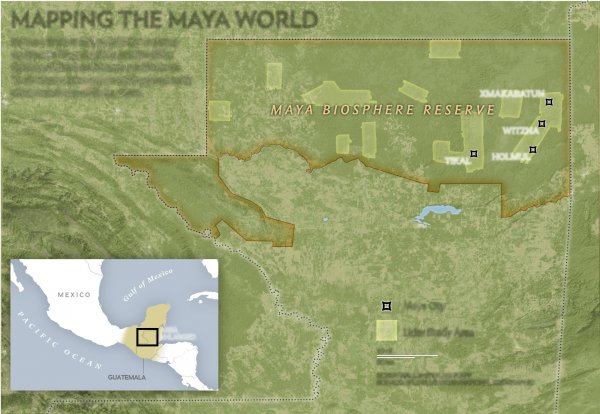
- Quote: "The LiDAR images make it clear that this entire region was a settlement system whose scale and population density has been grossly underestimated" -Thomas Garrison, Ithaca College
- LiDAR mapping detected four major Mayan ceremonial centers that were previously unknown and undetected by Mayan archaeologists/researchers. One of the main things that kept these lost cities hidden was centuries of jungle growth.
- Not only have tens of thousands of previously undetected Mayan houses/defensive works/pyramids have been found, but also industrial-sized agricultural fields and irrigation canal systems. And raise highways connecting city centers. And huge quarries.
- In some areas, 95% of the arable land was being cultivated to feed the sprawling cities.
- Among the new findings were huge Mayan fortresses, probably built during the "downfall" of Mayan civilization when warfare between city-states was rampant. Quote: "LiDAR revealed a previously undetected structure between two sites that Garrison says 'can't be called anything other than a Mayan fortress';" hiding in plain site!
- Not only is there evidence of ancient construction, but thousands of pits dug by modern-day looters. "Many of these sites are only new to us; they are not new to the looters -Marianne Hernandez, PACUNAM foundation
Summary: so yeah, I knew this breakthrough was pretty big but I didn't realize just how widespread the future impact of this discovery will be on the field of Mayan archaeology. Lots of new discoveries to be made in the very near future, I can't wait to read about it!

Not sure what city this is from
, but its pretty detailed: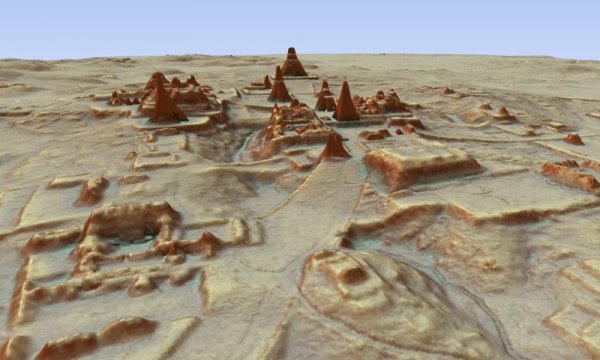
Slann
Warden
Tenth Spawning
- Messages
- 6,641
- Likes Received
- 18,896
- Trophy Points
- 113
More Mayan archaeology in the news, though this is from a few years ago and I am just coming across it now.
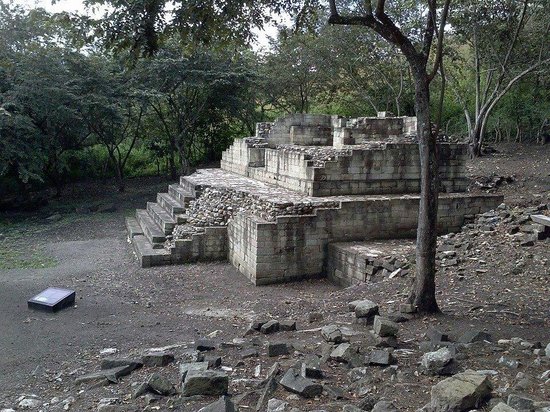
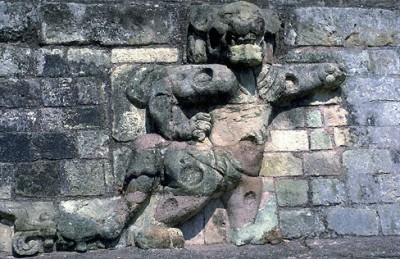
Apparently a new site about 2 km from the ancient Mayan city of Copan (Honduras) has been opened up to public tours. It is apparently large enough to be called a mayan fortress with a commanding view of the entire Copan valley, situated apparently on a hill at a higher altitude than the city of Copan itself. (link to the main article I found).
Fortress at Rastrojon:
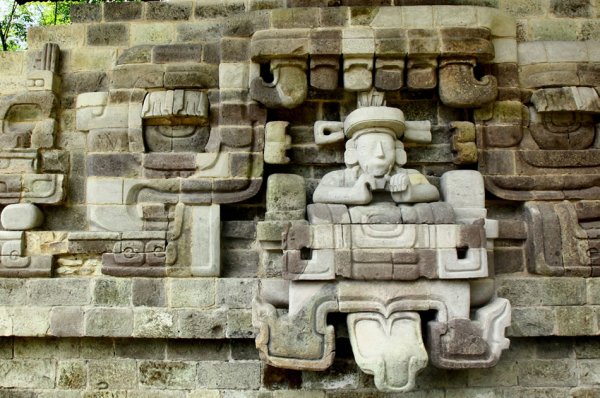
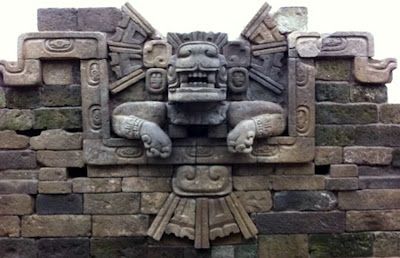
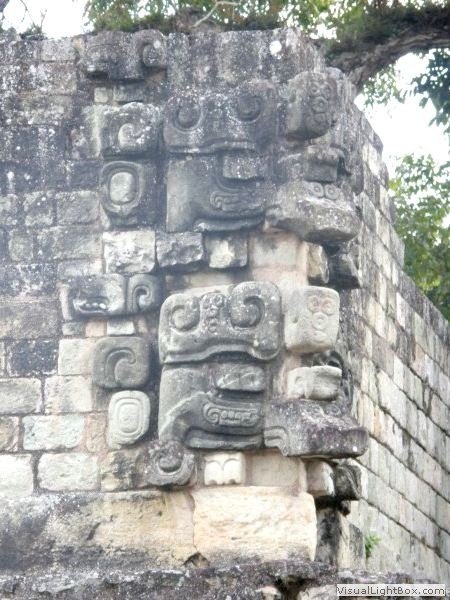
Really interesting looking artwork! I don't know if it is original. Most likely at least parts are reconstructed. I would love to see more pictures of the site!
If anyone can read this other article for other information that would be great. I don't speak the language, maybe someone else can? It looks like Spanish, maybe @Itepixcauh ?
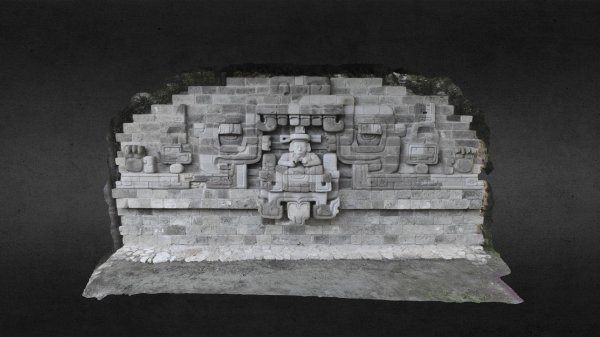
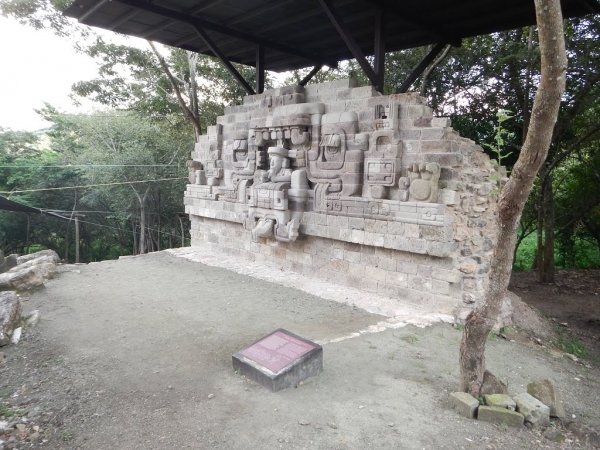
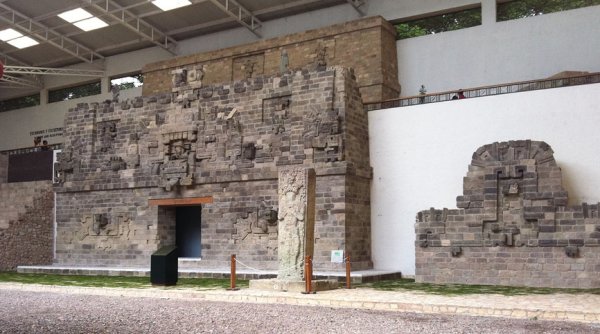
These last two might actually be from Copan:
Apparently a new site about 2 km from the ancient Mayan city of Copan (Honduras) has been opened up to public tours. It is apparently large enough to be called a mayan fortress with a commanding view of the entire Copan valley, situated apparently on a hill at a higher altitude than the city of Copan itself. (link to the main article I found).
Fortress at Rastrojon:
Really interesting looking artwork! I don't know if it is original. Most likely at least parts are reconstructed. I would love to see more pictures of the site!
If anyone can read this other article for other information that would be great. I don't speak the language, maybe someone else can? It looks like Spanish, maybe @Itepixcauh ?
These last two might actually be from Copan:
Carnasaur
Itepixcauh
Stranded Ghekkotah
- Messages
- 1,038
- Likes Received
- 3,043
- Trophy Points
- 113
More Mayan archaeology in the news, though this is from a few years ago and I am just coming across it now.
Apparently a new site about 2 km from the ancient Mayan city of Copan (Honduras) has been opened up to public tours. It is apparently large enough to be called a mayan fortress with a commanding view of the entire Copan valley, situated apparently on a hill at a higher altitude than the city of Copan itself. (link to the main article I found).
Fortress at Rastrojon:
View attachment 39643
View attachment 39644
Really interesting looking artwork! I don't know if it is original. Most likely at least parts are reconstructed. I would love to see more pictures of the site!
View attachment 39647
If anyone can read this other article for other information that would be great. I don't speak the language, maybe someone else can? It looks like Spanish, maybe @Itepixcauh ?
View attachment 39646
View attachment 39642
These last two might actually be from Copan:
View attachment 39641
View attachment 39645
It is Spanish actually. Will give it a read later and make a small summary

Slann
Aginor
Fifth Spawning
- Messages
- 12,256
- Likes Received
- 20,177
- Trophy Points
- 113
That would be much appreciated!It is Spanish actually. Will give it a read later and make a small summary
My Spanish is... rusty. And the online translators can only do so much.
Slann
Warden
Tenth Spawning
- Messages
- 6,641
- Likes Received
- 18,896
- Trophy Points
- 113
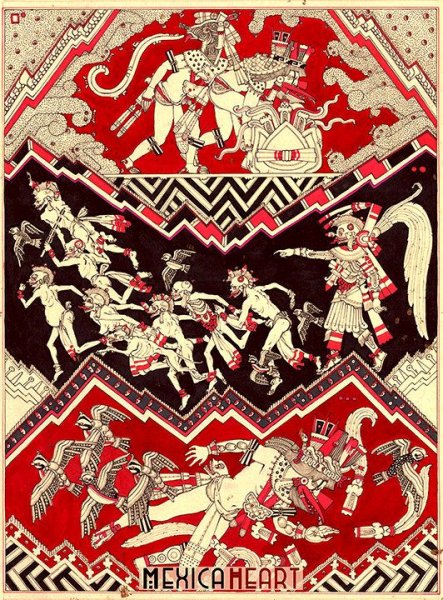
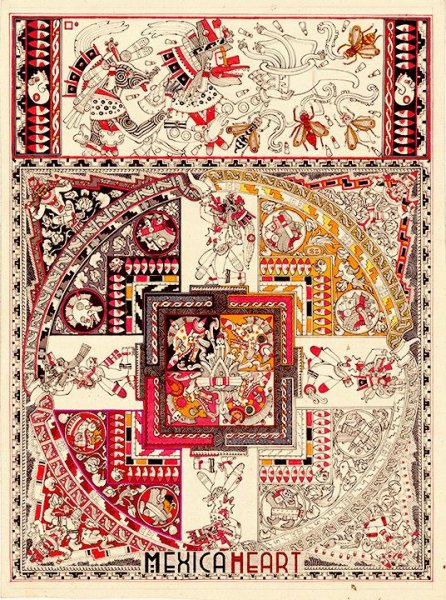
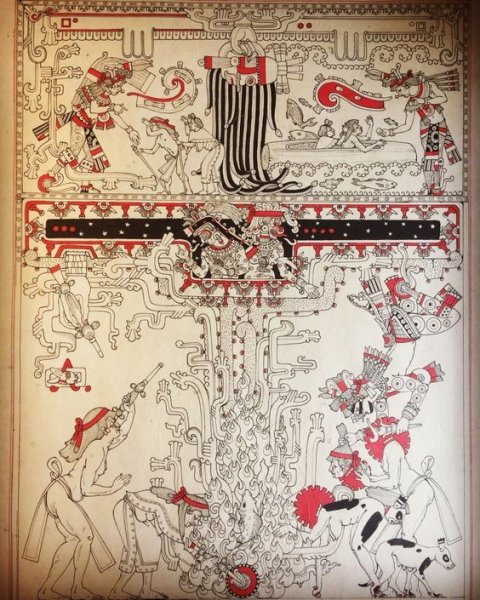
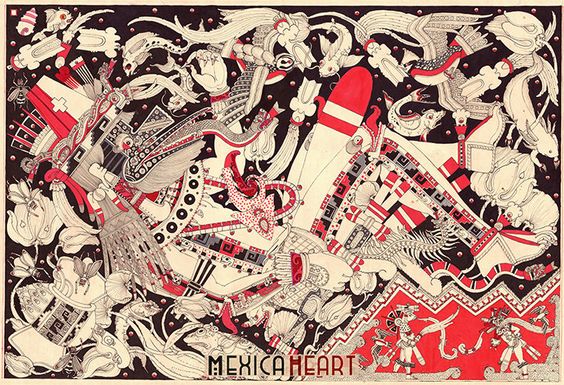
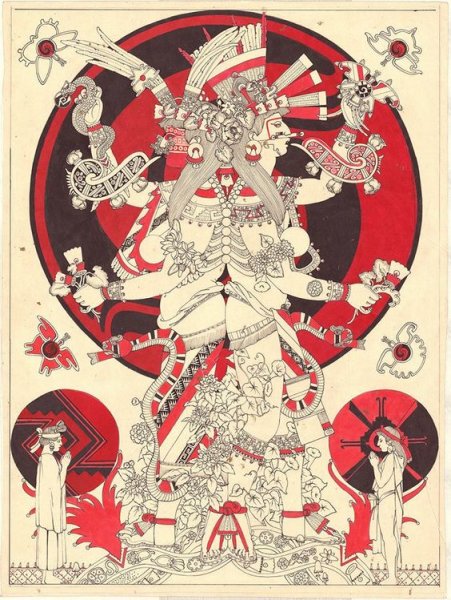
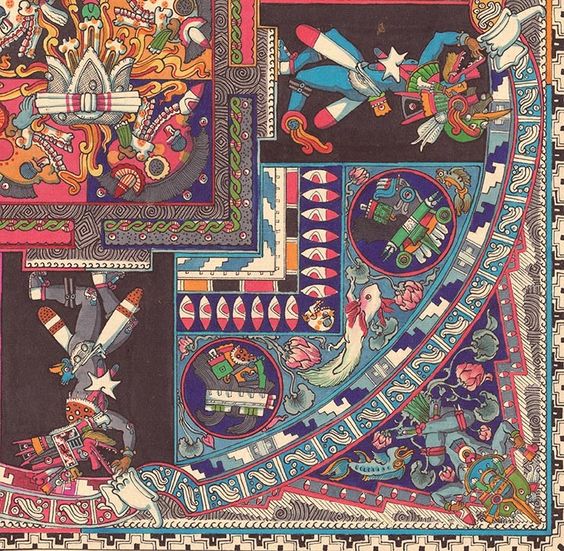
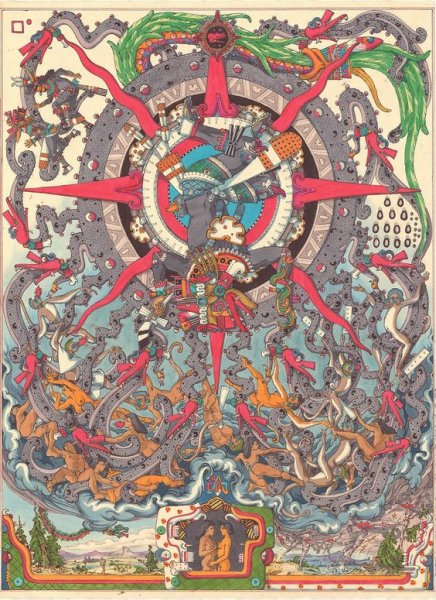
Found some beautiful modern Mesoamerican (mostly Aztec) artwork off of pinterest, labelled only as "Mexica Heart." Very similar to some stuff I posted earlier in this thread, maybe even the same artist.
Mayan/Aztec underworld scene, with the Nine Lords of Xibalba (Land of the Dead/Underworld):
Looks like a map of the quartered- Mayan cosmology/universe:
World tree:
Beautiful stuff!
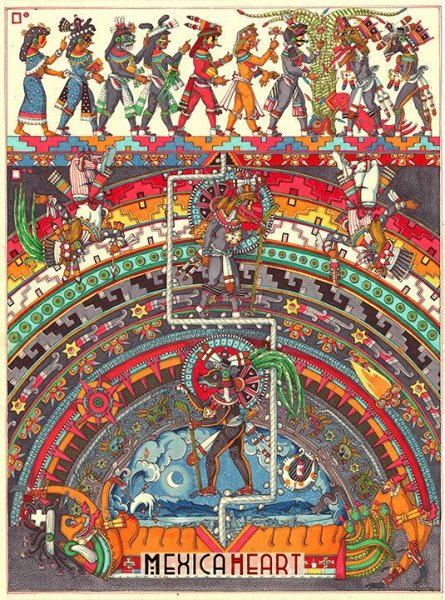
Underworld pic but with color:
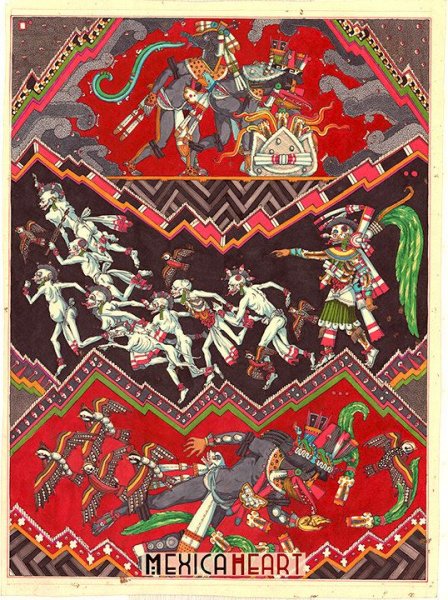
Mayan/Aztec underworld scene, with the Nine Lords of Xibalba (Land of the Dead/Underworld):
Looks like a map of the quartered- Mayan cosmology/universe:
World tree:
Beautiful stuff!
Underworld pic but with color:
Slann
Warden
Tenth Spawning
- Messages
- 6,641
- Likes Received
- 18,896
- Trophy Points
- 113
Gathered a wealth of photos today.
Some concept photos from the Road to El Dorado movie:
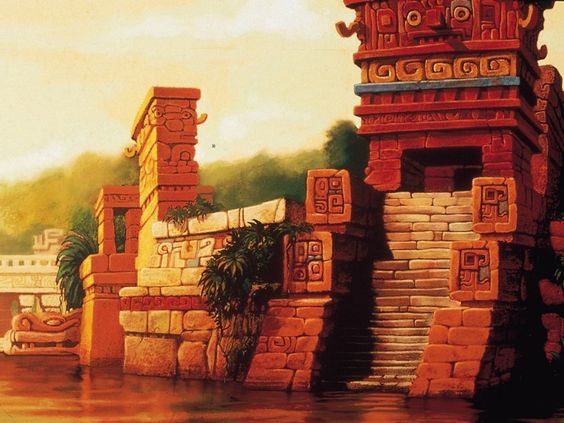
I really like the layout of this one, surrounded by all the jungle trees. Imagine playing on a board that looked like this:
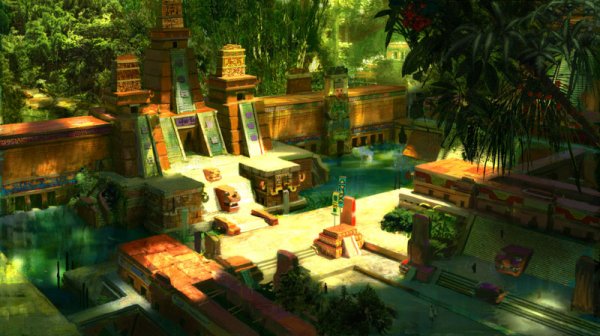
Some concept photos from the Road to El Dorado movie:
I really like the layout of this one, surrounded by all the jungle trees. Imagine playing on a board that looked like this:
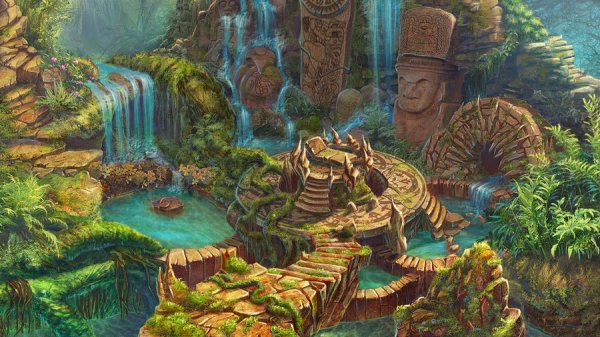
"Waterfalls" by Juljuly off of deviantart:
And another random find:
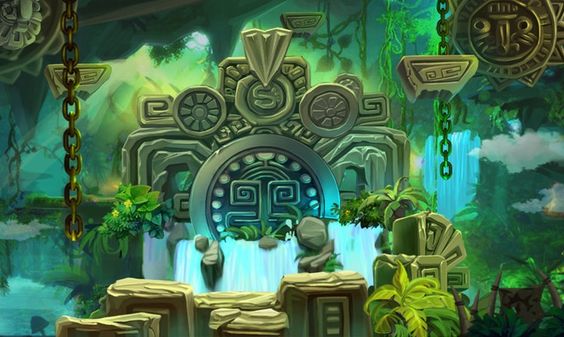
And another random find:
Slann
Warden
Tenth Spawning
- Messages
- 6,641
- Likes Received
- 18,896
- Trophy Points
- 113
Some historical artwork:
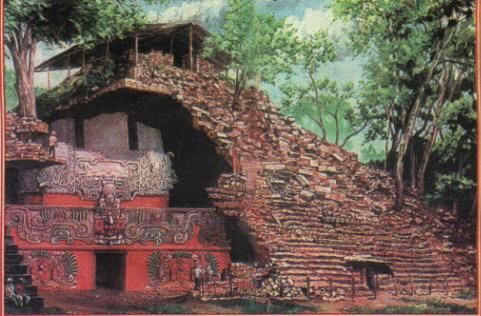
The interior of the great pyramid complex at Copan:
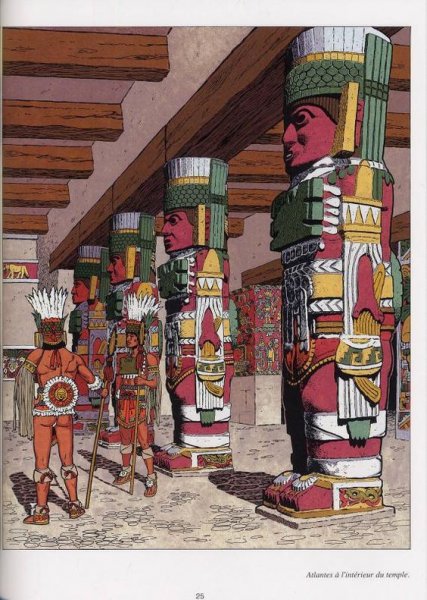
Scenes with some of the large painted warrior statues (I believe they are from Tula)
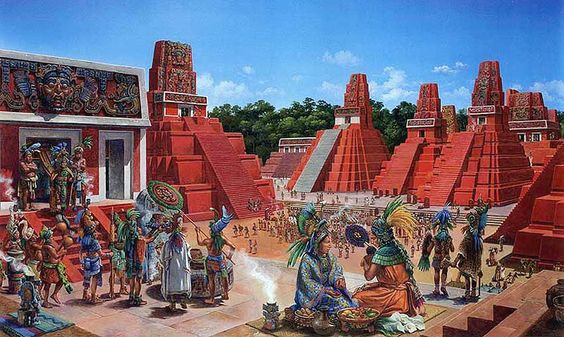
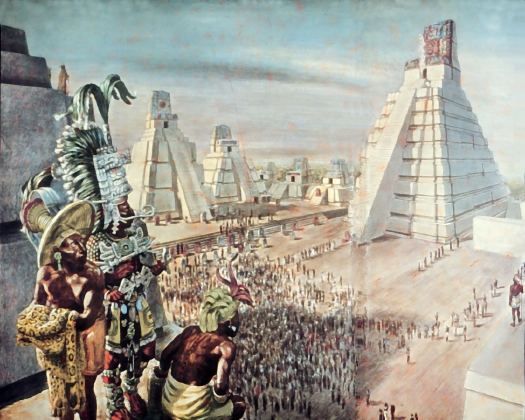
Scenes from Tikal:
The interior of the great pyramid complex at Copan:
Scenes with some of the large painted warrior statues (I believe they are from Tula)
Scenes from Tikal:
Looks like Uxmal kinda but not sure:
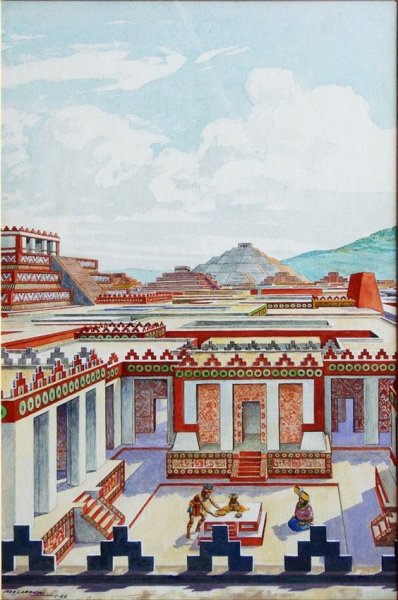
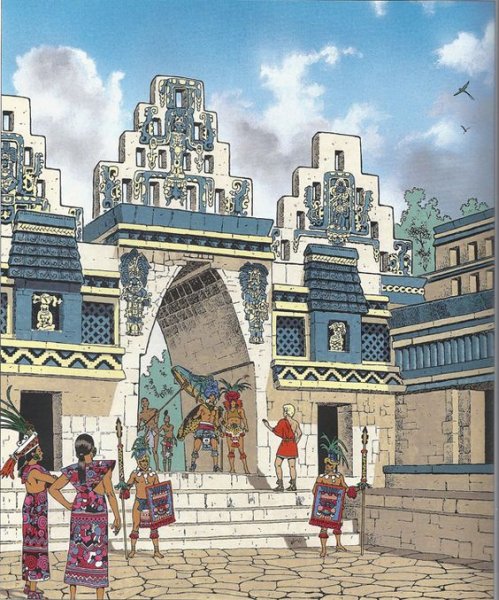
Refurbished version of the Arch of Labna. It looks like part of a comic strip considering the blond dude in the center of the pic:
Tikal:
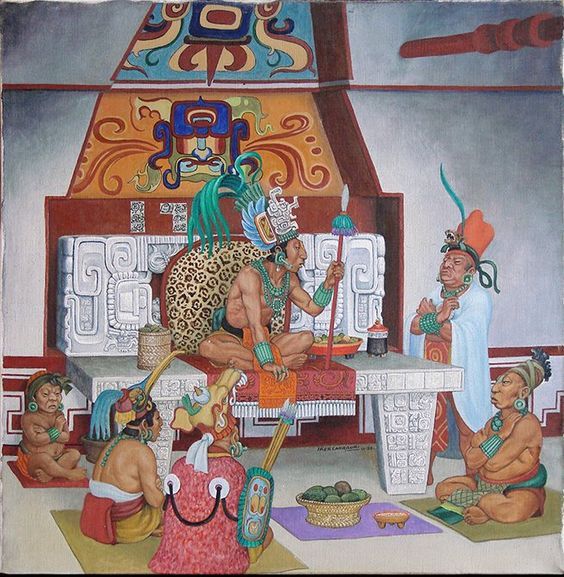
Mayan ruler at court. It looks like the bacabs bench from Copan was used for inspiration for the throne:
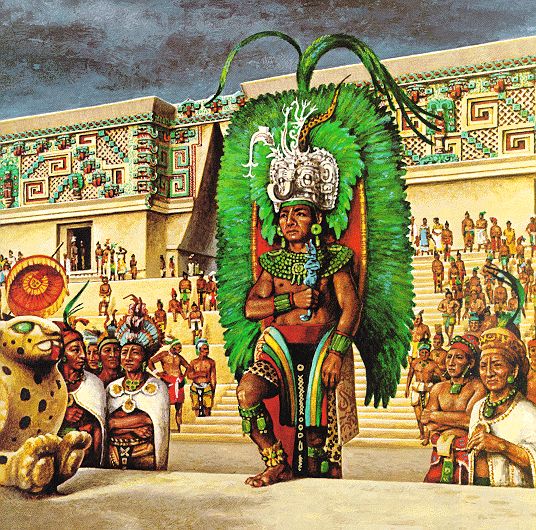
Mayan ruler in full regalia, the buildings in the background also look like Uxmal:
Refurbished version of the Arch of Labna. It looks like part of a comic strip considering the blond dude in the center of the pic:
Tikal:
Mayan ruler at court. It looks like the bacabs bench from Copan was used for inspiration for the throne:
Mayan ruler in full regalia, the buildings in the background also look like Uxmal:
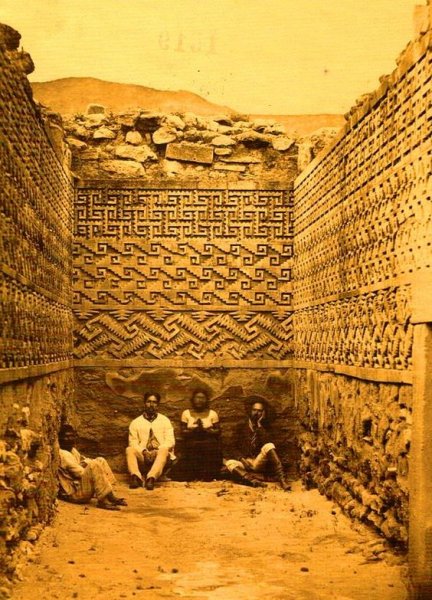
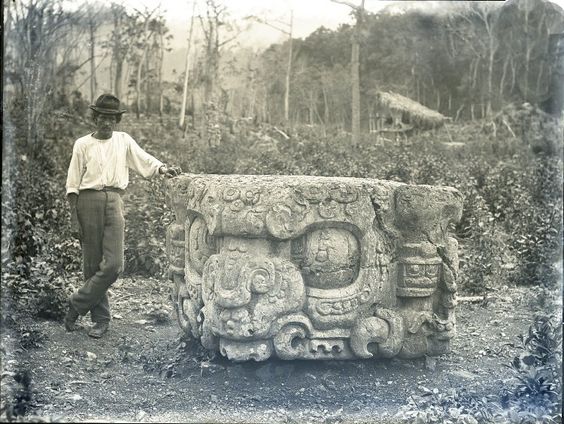
Slann
Warden
Tenth Spawning
- Messages
- 6,641
- Likes Received
- 18,896
- Trophy Points
- 113
Last set of photos (for now ) , another Serpent Mouth structure at Hochnob. Beautifully done, reminds me a lot of a similiar structure style at Chicanna.
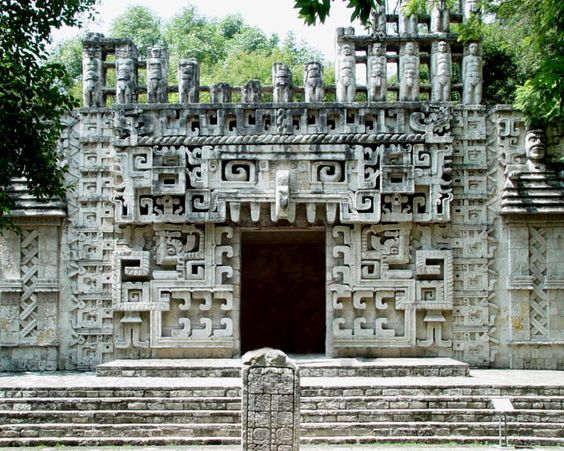
Very similar to Chicanna, I thought it was the same place at first. I really like the little person-details in the rack above the serpent head, I don't know that they are supposed to represent!
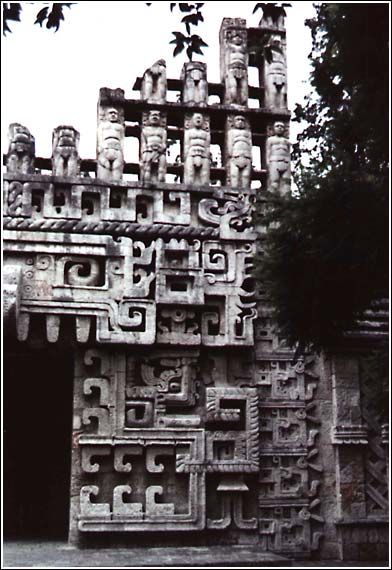
This last one isn't Hochnob, I am not sure where it is to be honest because it doesn't look like Chicanna either. I really like the large underswept jaw with the jagged teeth, so much beautiful detail!
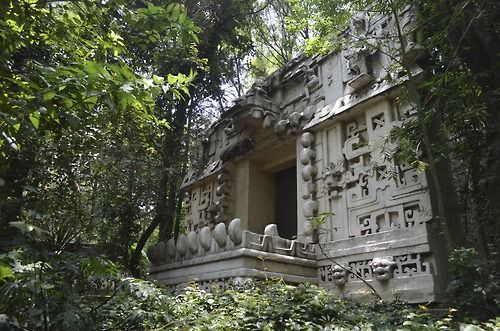
) , another Serpent Mouth structure at Hochnob. Beautifully done, reminds me a lot of a similiar structure style at Chicanna. Very similar to Chicanna, I thought it was the same place at first. I really like the little person-details in the rack above the serpent head, I don't know that they are supposed to represent!
This last one isn't Hochnob, I am not sure where it is to be honest because it doesn't look like Chicanna either. I really like the large underswept jaw with the jagged teeth, so much beautiful detail!
Slann
Warden
Tenth Spawning
- Messages
- 6,641
- Likes Received
- 18,896
- Trophy Points
- 113
Were those pillars really that colorful? Did they find traces of old paints?
I wonder what they used as pigments.
I couldn't say for these pillars specifically, but lots of old Mayan temples/statues/stela have traces of bright paint residue, mostly reds, yellows, and blues. A lot of the old temples were supposedly painted red, to make them look like volcanoes (since they almost always had some orderly at the top putting more incense into the ceremonial fire-pit, hence a cloud of smoke rising from the majestic, man-made "volcanoes"!)
As far as what they used for pigments, I am sure it was whatever they found available. I know the ancient Egyptians used a type of henna for most of their paints, I am not brushed up on my Mayan pigment lore...
...after consulting a book this is what I was able to find:
Black (ihk')- lots of black paint shows up in artwork, often made from charcoal-mixtureYellow (k'an) - often symbolized the sun, or ripe maize. Probably made from an ochre of some sort? (clay pigment, maybe some metals in there, or even some bright yellow flower sources).
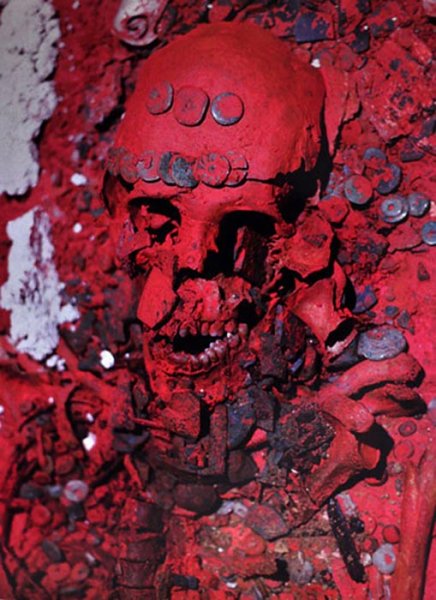
Red (chak)- In some rare cases (such as burials) raw cinnabar powder was used (such as in the burial of the Red Queen of Palenque).
The entire burial chamber and skeletal remains of the Red Queen was covered in a thick layer of cinnabar paint:
Blue/Green (yax)- since it looks like the Mayans considered blue and green the same color, it can be hard to differentiate the sources of their paints. That being said I do know they used a very bright turquoise blue in many paintings called Maya Blue, which is possibly made from a type of indigo dye or even a mineral, but so far as my book sources tell me the actual source of the pigment is still unknown.
Example of the color of Maya Blue in the background of one of the murals at Bonampak.
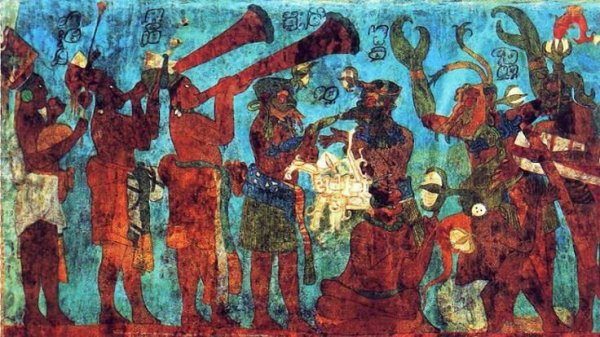
This is a refurbished version of the present-day mural, which is in much worse state, but apparently when the lost chambers were first open they were much more vividly colored than they are today (as the color started immediately to decay after they were reopened to circulating air after centuries of being sealed off):
This is a refurbished version of the present-day mural, which is in much worse state, but apparently when the lost chambers were first open they were much more vividly colored than they are today (as the color started immediately to decay after they were reopened to circulating air after centuries of being sealed off):
Slann
Aginor
Fifth Spawning
- Messages
- 12,256
- Likes Received
- 20,177
- Trophy Points
- 113
Cool info, thanks!I couldn't say for these pillars specifically, but lots of old Mayan temples/statues/stela have traces of bright paint residue, mostly reds, yellows, and blues. A lot of the old temples were supposedly painted red, to make them look like volcanoes (since they almost always had some orderly at the top putting more incense into the ceremonial fire-pit, hence a cloud of smoke rising from the majestic, man-made "volcanoes"!)
As far as what they used for pigments, I am sure it was whatever they found available. I know the ancient Egyptians used a type of henna for most of their paints, I am not brushed up on my Mayan pigment lore...
...after consulting a book this is what I was able to find:
Black (ihk')- lots of black paint shows up in artwork, often made from charcoal-mixture
Yellow (k'an) - often symbolized the sun, or ripe maize. Probably made from an ochre of some sort? (clay pigment, maybe some metals in there, or even some bright yellow flower sources).
Red (chak)- In some rare cases (such as burials) raw cinnabar powder was used (such as in the burial of the Red Queen of Palenque).
The entire burial chamber and skeletal remains of the Red Queen was covered in a thick layer of cinnabar paint:
View attachment 39888
Blue/Green (yax)- since it looks like the Mayans considered blue and green the same color, it can be hard to differentiate the sources of their paints. That being said I do know they used a very bright turquoise blue in many paintings called Maya Blue, which is possibly made from a type of indigo dye or even a mineral, but so far as my book sources tell me the actual source of the pigment is still unknown.
Example of the color of Maya Blue in the background of one of the murals at Bonampak.
View attachment 39889
This is a refurbished version of the present-day mural, which is in much worse state, but apparently when the lost chambers were first open they were much more vividly colored than they are today (as the color started immediately to decay after they were reopened to circulating air after centuries of being sealed off):
Slann
Warden
Tenth Spawning
- Messages
- 6,641
- Likes Received
- 18,896
- Trophy Points
- 113
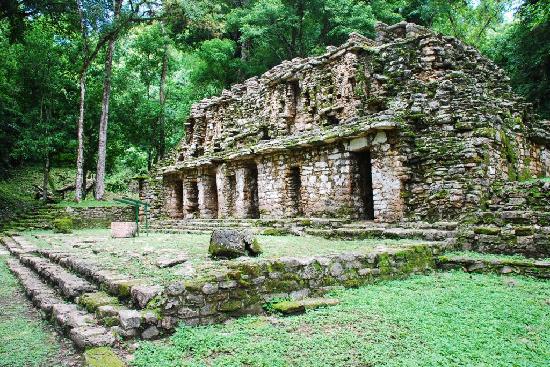
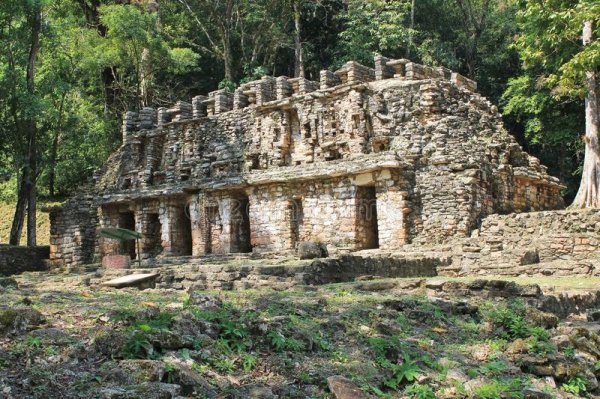
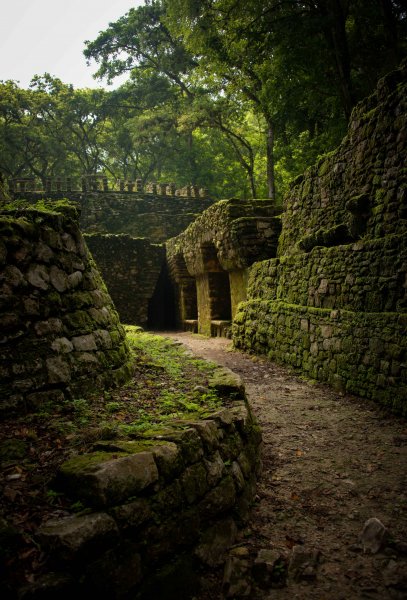
Not sure if anyone ever played Age of Empires 2 (I only ever played one of the sequels, Age of Mythology, mostly as the norse), but the Mayan Temples/mesoamerican civs look like they have some pretty cool terrain designs.
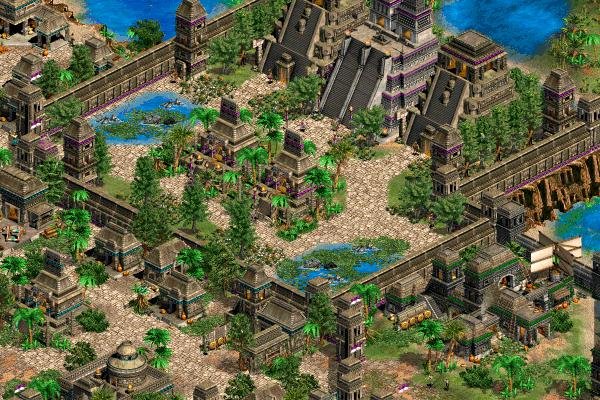
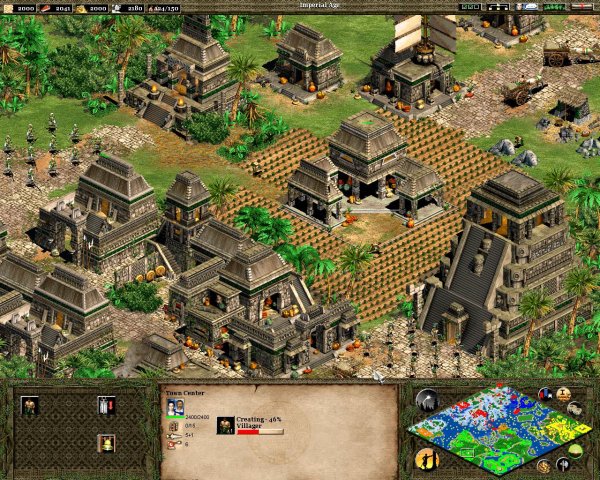
Great inspiration for tabletop terrain.
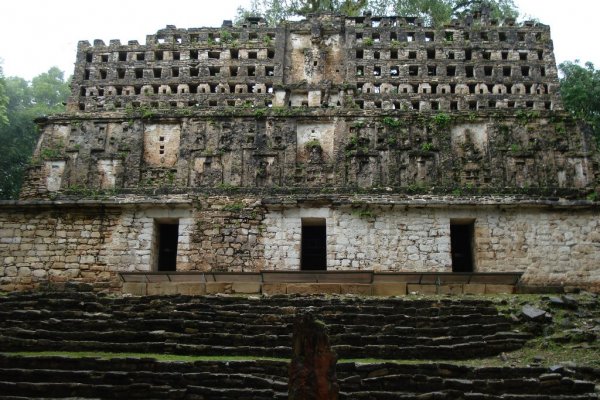
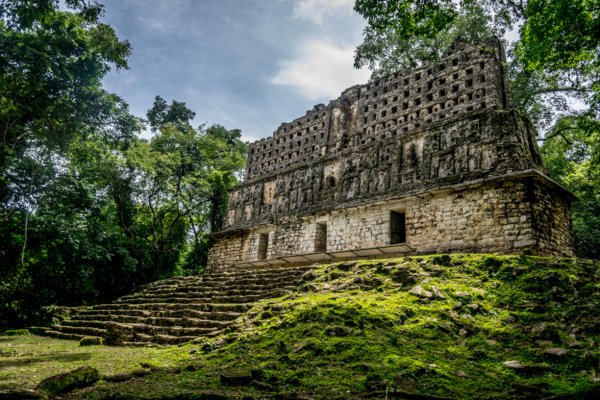
The "wonder" building looks like the Temple of the Jaguar at Tikal!
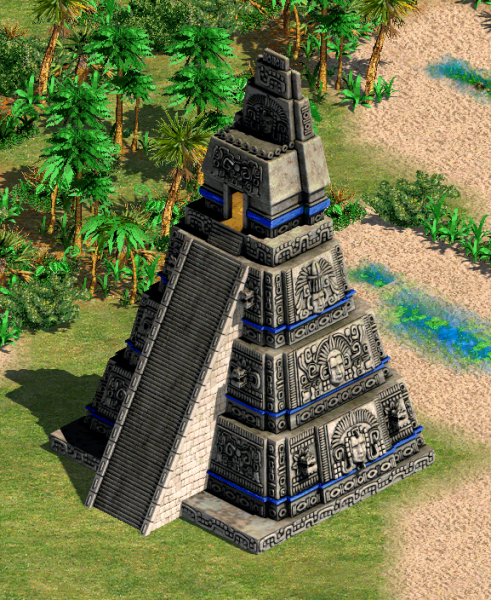
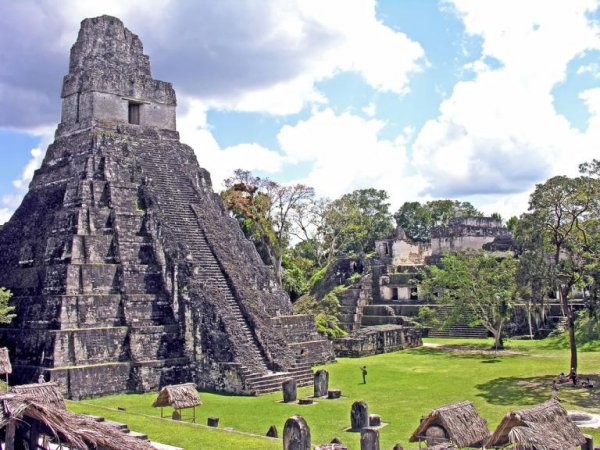
The model was beautifully done in game.
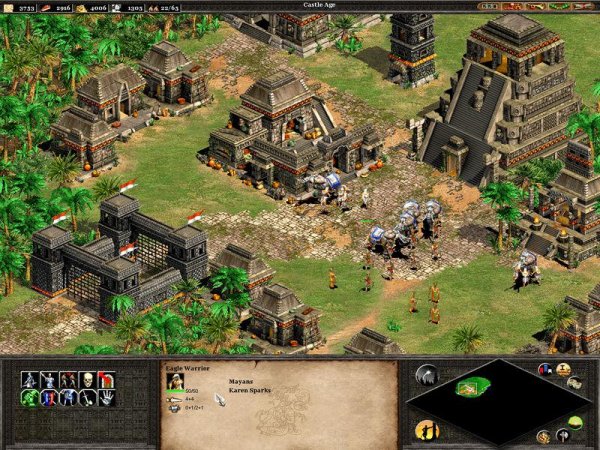
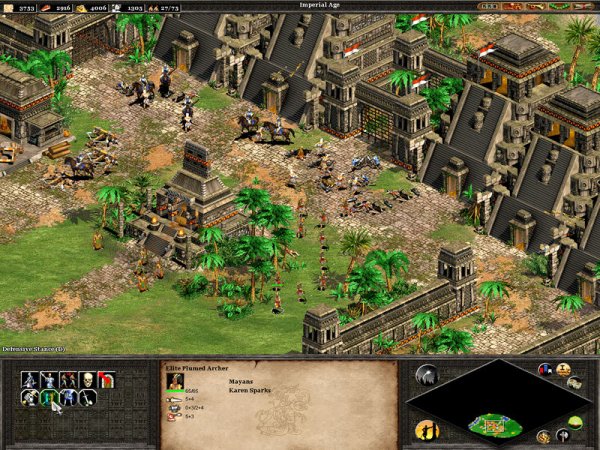
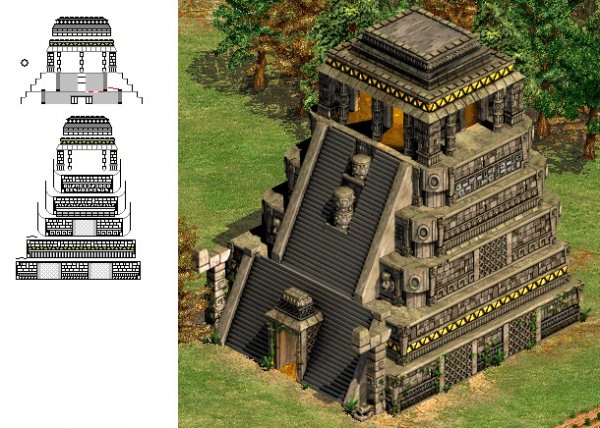
Great inspiration for tabletop terrain.
The "wonder" building looks like the Temple of the Jaguar at Tikal!
The model was beautifully done in game.
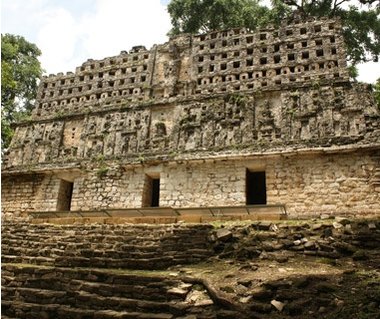
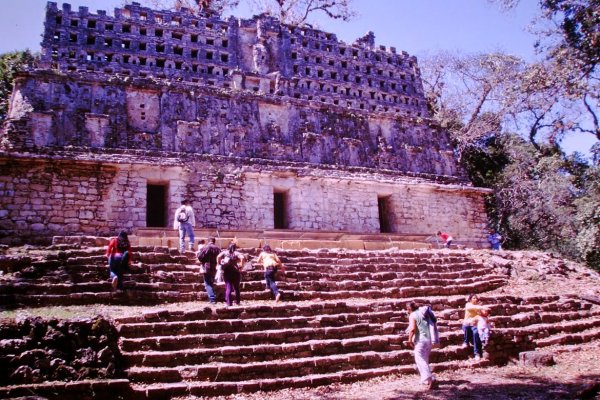
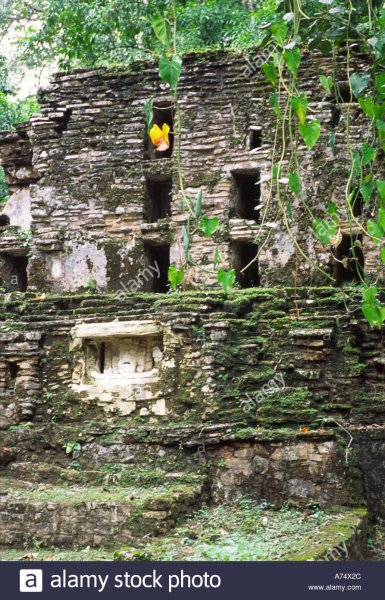
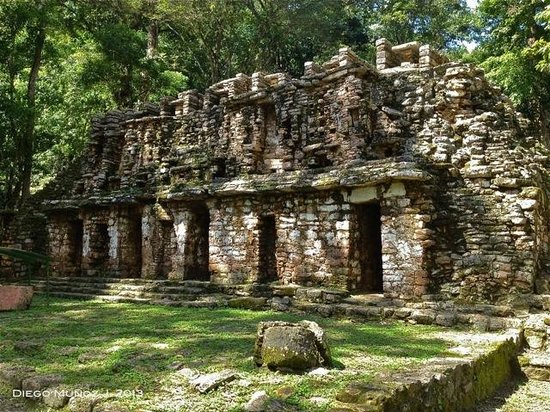
Slann
Warden
Tenth Spawning
- Messages
- 6,641
- Likes Received
- 18,896
- Trophy Points
- 113
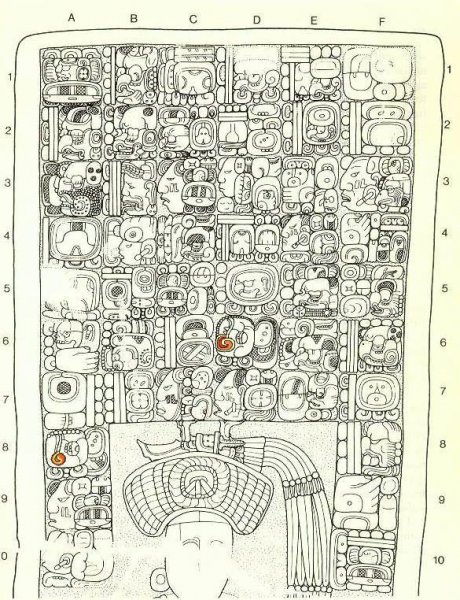
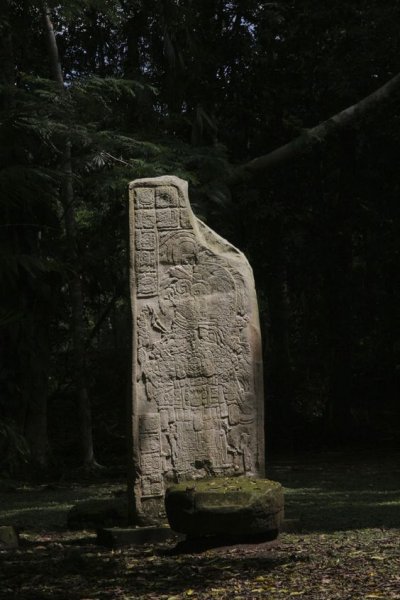
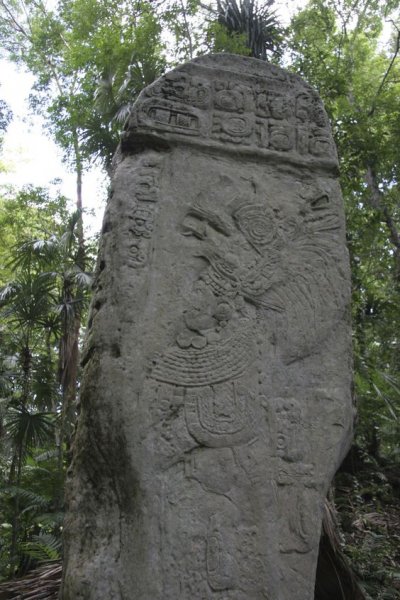
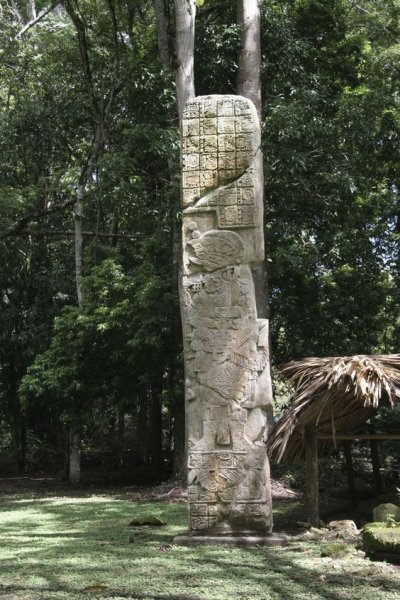
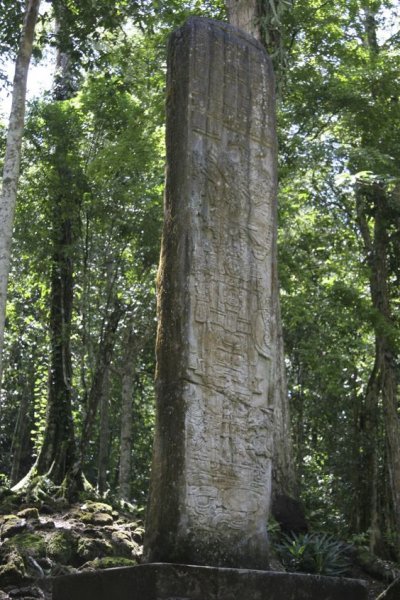
Some Mayan Stela from Dos Pilas.
Yaxchilan:
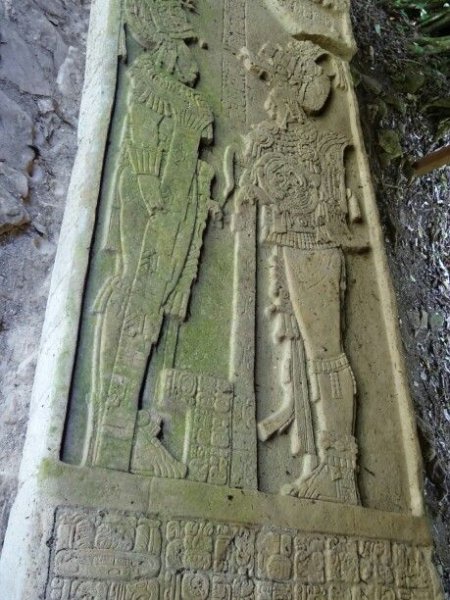
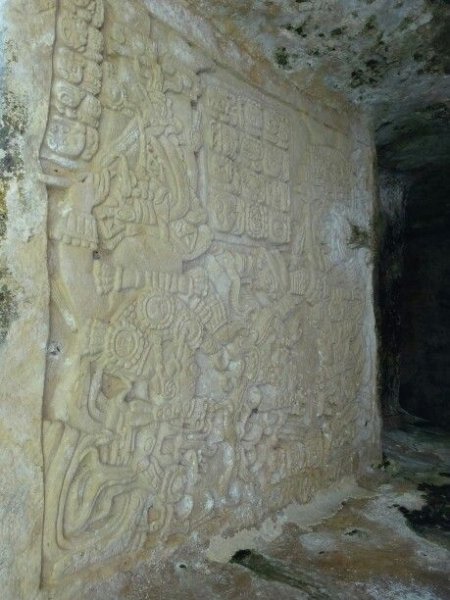
This picture may be on its side but I am pretty sure its actually a roof lintel.
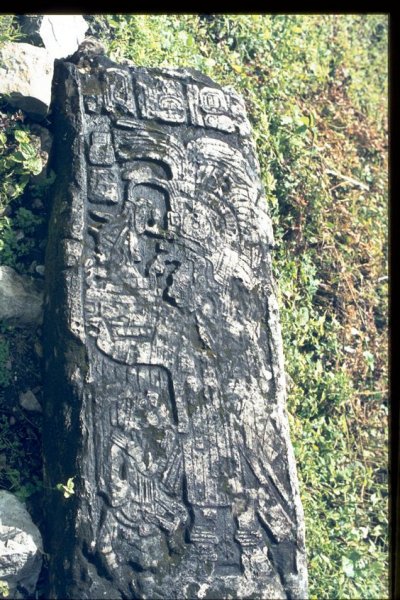
Chinkultic- never heard of this site before but that is what the picture said:
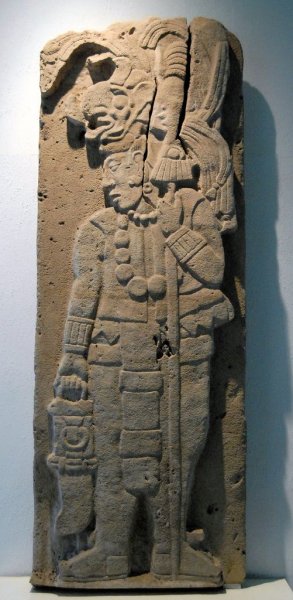
Lastly a stela from the Tamayo Museum of Oaxaca. Don't know what city it came from but it definitely looks Mayan:
Yaxchilan:
This picture may be on its side but I am pretty sure its actually a roof lintel.
Chinkultic- never heard of this site before but that is what the picture said:
Lastly a stela from the Tamayo Museum of Oaxaca. Don't know what city it came from but it definitely looks Mayan: