
-
The forum software have been upgraded to the latest version.
If you notice anything that looks off, or does not work, please let us know.
For more information, click here.
You are using an out of date browser. It may not display this or other websites correctly.
You should upgrade or use an alternative browser.
You should upgrade or use an alternative browser.
The great BLOOD BOWL thread
- Thread starter - Q -
- Start date



Scar-Veteran
ChapterAquila92
Well-Known Member
- Messages
- 2,985
- Likes Received
- 9,221
- Trophy Points
- 113
I really couldn't tell you without knowing what kind of specifics you're looking for. In my experience, all of them can fare exceptionally well in the hands of a capable coach.@ChapterAquila92 . In your experience, overall, which teams tend to generally fare the best: bash teams, dash teams or hybrid teams?

Stegadon
WildColonial Boy
Well-Known Member
- Messages
- 998
- Likes Received
- 2,451
- Trophy Points
- 93
I really couldn't tell you without knowing what kind of specifics you're looking for. In my experience, all of them can fare exceptionally well in the hands of a capable coach.
Ben at Bonehead Podcast gives a rundown on the top 5 bash and top 5 dash teams.

Slann
Killer Angel
Prophet of the Stars
- Messages
- 20,720
- Likes Received
- 42,083
- Trophy Points
- 113




Slann
- Q -
Fourteenth Spawning
- Messages
- 23,400
- Likes Received
- 42,771
- Trophy Points
- 113
I really couldn't tell you without knowing what kind of specifics you're looking for. In my experience, all of them can fare exceptionally well in the hands of a capable coach.
Ben at Bonehead Podcast gives a rundown on the top 5 bash and top 5 dash teams.


Slann
Killer Angel
Prophet of the Stars
- Messages
- 20,720
- Likes Received
- 42,083
- Trophy Points
- 113
Scar-Veteran
ChapterAquila92
Well-Known Member
- Messages
- 2,985
- Likes Received
- 9,221
- Trophy Points
- 113
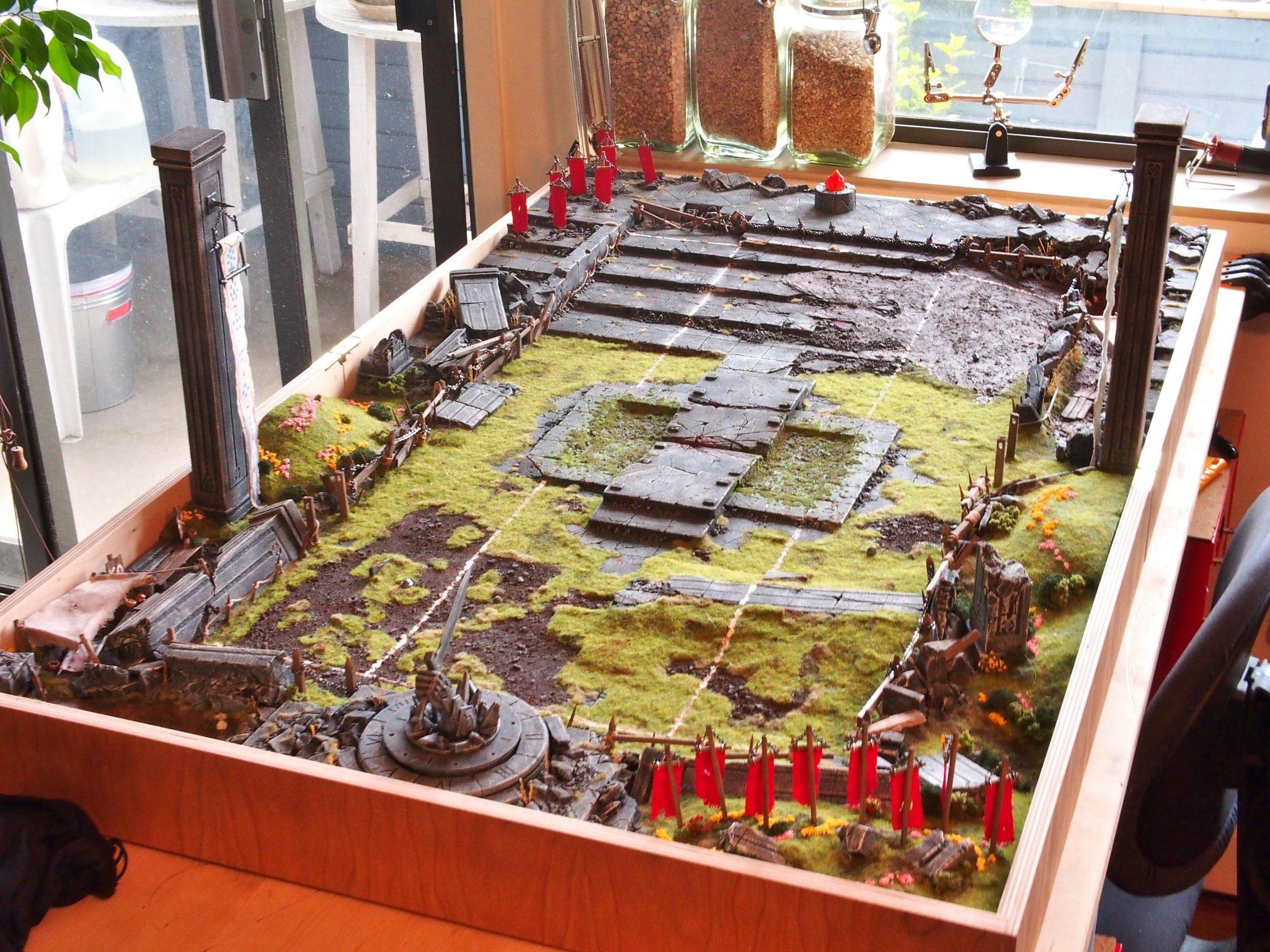
That'd be a nightmare to play on without the Leap or Pogo skill, I think, even more than Dungeonbowl.so... is bloodbowl a platform game now?


Slann
- Q -
Fourteenth Spawning
- Messages
- 23,400
- Likes Received
- 42,771
- Trophy Points
- 113
Is Dungeonbowl a nightmare? Not a fun version of the game to play?That'd be a nightmare to play on without the Leap or Pogo skill, I think, even more than Dungeonbowl.
Scar-Veteran
ChapterAquila92
Well-Known Member
- Messages
- 2,985
- Likes Received
- 9,221
- Trophy Points
- 113
Whilst I can't say I've ever played DB, and thus don't know about the specific rules at play, just going off of the standard rules and what I recall for the board layout, it's possible to wall off access to the end zone with your strongest players supported from the rear by your shit-munchers. It's not completely insurmountable, but unless you have secret weapons or the ability to throw team mates you're stuck needing to take Guard and Dauntless a lot to break down those barricades, if not raw strength alone.Is Dungeonbowl a nightmare? Not a fun version of the game to play?
This, combined with limited means of conducting pass actions, disadvantages many teams to whom playing that kind of aggressive game is antithetical to how they're supposed to play.
Ironically, it's in DB that stunty teams can become rather terrifying.
By comparison, the marsh board is more aggravating to look at, even if it's considerably more "open" for pass actionFi
First is that it's asymmetrical if water features are to be considered. How they'd balance that is anyone's guess.
Second, how are the water features to function? Does movement from such a square cost double the movement, or does getting pushed into such a square count as being pushed into the stands?
The latter makes it a challenge for teams that now have to deal with serious 1-square-wide bottlenecks that can potentially have up to 3 players barricading the far end.
The latter, while not as restrictive, cuts down so much on players being able to move normally that the only ones who can move close to normally are either those who are instead thrown or those with the Leap or Pogo skill.
Again, like DB, it'd be a board that disadvantages teams whose strengths don't coincide in some way with how the board is to be played.